
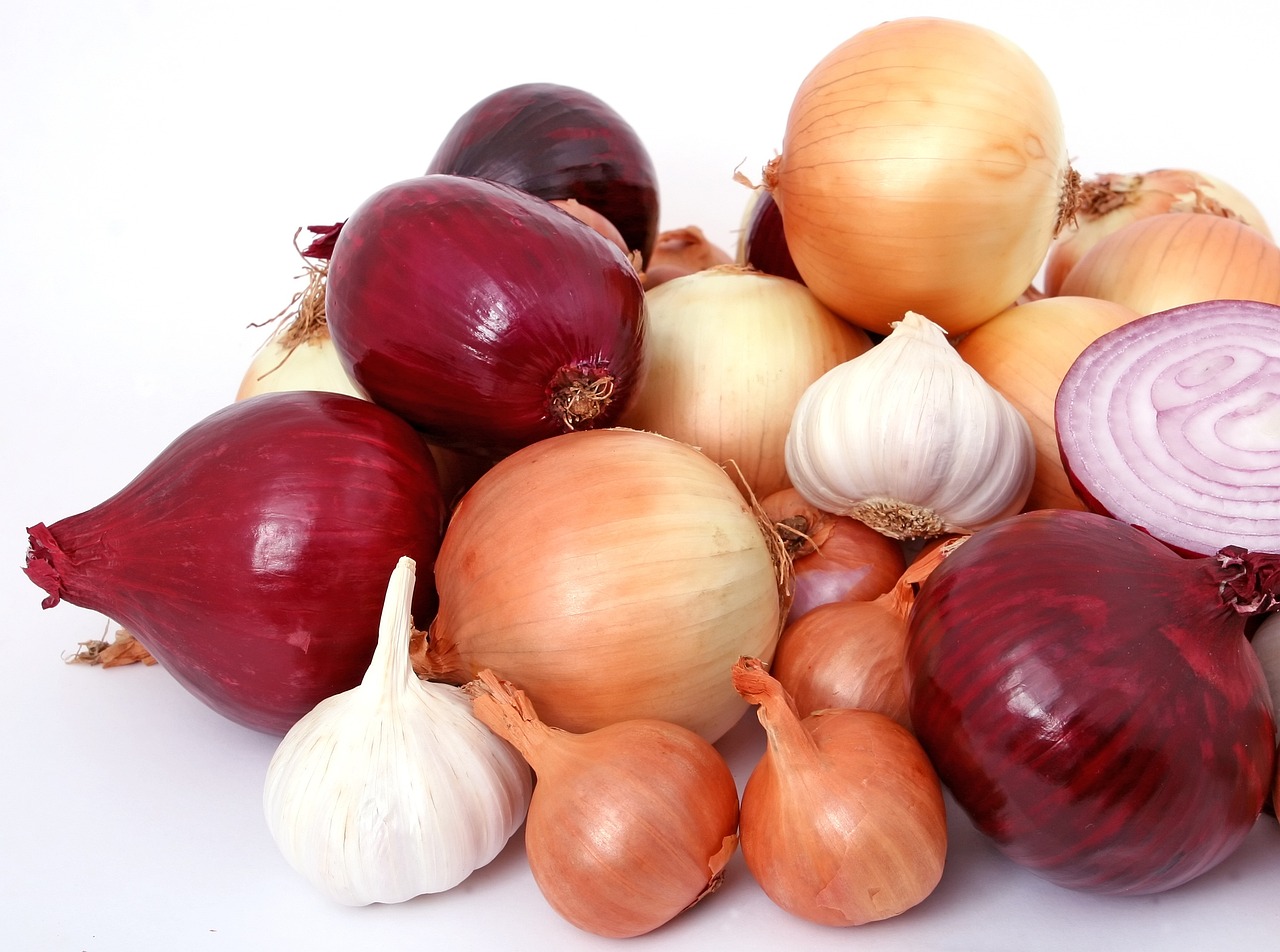
Onions are excellent foods and among many cultures’ most widely used spices. They come in a variety range of types, colors, and flavors. Onions contain numerous nutrients, but the onion bulb is where most of their benefits lie. In particular, red onions have a distinct flavor and also several health benefits.
Healthy diet for weight loss
Weight loss is a hot topic in today’s world. A healthy diet for weight loss is high in fiber and low in carbohydrates and fats. A diet like this will help you over time maintain a healthy weight and improve your general health. Onion has high fiber content. Eating onion with your meal can reduce the amount of fat you absorb. This makes it a great accompaniment to fatty foods like steak or burgers. It also contains antioxidants that fight free radicals in the body, which can cause damage to healthy cells. Free radicals are linked to conditions like diabetes and certain cancers, so reducing them can help prevent these diseases.
Rich source of antioxidants
Onions contain the flavonoid quercetin, which has anti-inflammatory properties. This flavonoid has also been linked to low risk of heart disease and other types of cancers. In addition, onions are great source of vitamins B-6, C, and K, as well as manganese, chromium, and copper. These minerals help your body in different ways. Vitamin B-6, for example, is essential for metabolism and healthy nerve function, while vitamin C is needed for immunity and iron absorption.
Help in treating cold and flu
You need to boost your immunity quickly when you suffer from a cold or flu. Red onions are a great source of Vitamin B, which is the key to increasing your immunity and fighting viruses. Red onions are also rich in sulfur, which has anti-microbial properties that can kill bacteria and viruses. In addition, onions also have anti-inflammatory properties that can soothe inflamed airways, which will help you breathe more easily.
Help in maintaining eye health
The flavonoids in onions have also been shown to help maintain eye health. Studies have shown that eating onions can help lower the risk of developing macular degeneration, a common eye disease that can result in blindness over time. Primarily, due to the high concentration of flavonoids that have anti-inflammatory and antioxidant properties that can help prevent certain eye diseases.
Other benefits
- Red onions are rich in minerals like iron, magnesium, and chromium, which are beneficial for blood pressure control.
- Red onions are also beneficial for digestive health due to their high fiber content.
- Regular intake of red onions also helps control blood glucose levels by increasing insulin production.
How to select and store?
When you are buying red onions, make sure that they do not have any bruises or cuts, which will cause them to rot faster. Look at the outer skin of the onion to see if it is dry or moist. Dry skin means they are old, while moist skin means they are fresh. Red onions should be kept in a cool temperature, dry place away from direct sunlight. If you do not use them within a few days, you can store them in the refrigerator. Red onions can be kept for up to one month if unpeeled or two to three months if peeled.
It may increase bone density.
As we age over the years, we might notice that our bones become thinner; this is common with people with osteoporosis, where the bones become weaker.
How to add red onion to your diet
- As salad – Raw, sliced, or diced red onions add a healthy coloring splash to any salad.
- Sandwiches – Adding red onions to your sandwiches could be a great way to reduce other high calory ingredients such as meat and cheeses.
- As a salad dressing – Red onions add a distinct flavor to salads and can be used as a salad dressing. A simple way to make a quick salad dressing is by mixing a tablespoon of vinegar, a teaspoon of mustard, salt, and pepper, along with two tablespoons of olive oil and one tablespoon of red onion.
- As an accompaniment – Red onions are best eaten raw. You can enjoy them as a side dish with many different types of meals. They go well with Mexican food and make an excellent topping for burgers or sandwiches.
- In savory dishes – Red onions can be used in many dishes such as soups, casseroles, and stir-fries. They also go well with fish and gooey dishes like macaroni and cheese.
Recipes with Red Onions
- Pan-Fried Chicken with Orange and Red Onion – This is one of the most delicious ways to use red onions. The orange juice adds to the dish’s flavors, and the red onion provides a distinct taste.
- Roasted Red Onion and Goat Cheese Panini – A combination of roasted red onions and goat cheese make a tasty and nutritious filling for a panini. To make this delicious and healthy panini, burn the red onions, add some goat cheese, and place it between two slices of toasted bread.
- Honey Ginger Carrots and Red Onion – Carrots are a popular vegetable and can be eaten both cooked and raw. They are high in beta-carotene, Vitamin C, and potassium. Red onions add a distinct flavor to this dish, and honey and ginger add a subtle sweetness.
- Red Onion and Mushroom Quinoa – Quinoa is gaining popularity due to its many health benefits. It is an excellent protein, fiber, B vitamins, and minerals source. It is also gluten-free, making it a perfect option for those with dietary restrictions. This delicious side dish pairs well with various main dishes, such as roasted chicken and salmon.
Side Effects of Red Onion
Eating red onions can have multiple health benefits but can also lead to specific side effects, like stomach irritation and heartburn, due to sulphuric compounds.
This is why many people only consume red onions, either raw or in small quantities. If you are sensitive to sulphuric compounds, you can take specific steps to reduce the side effects. You can peel the red onion and consume it raw, mix it with other foods, or cook it. However, some studies have shown that raw red onions have more health benefits than cooked onions, so you should do it only if you have to.
You can also drink a glass of water with a pinch of salt or chew a piece of sugar-free chewing gum after eating red onions to reduce the side effects.
All in All, onions are excellent foods and among many cultures’ most widely used spices. They come in different types, colors, and flavors. Onions contain numerous nutrients, but the onion bulb is where most of their benefits lie. In particular, red onions have a distinct flavor and also several health benefits. However, these benefits decrease when you cook the onions, so eating them in their raw state is best.
Nutritionial facts:
| Name | Unit |
|---|---|
| Protein | 0.97 g |
| Carbohydrate | 9.93 g |
| Fiber | 2.2 g |
| Phosphorus | 41 mg |
| Potassium | 197 gm |
| Calcium | 17 mg |
| Magnesium | 11.4 mg |
| Sodium | 1 mg |
| Iron | 0.24 mg |
| Zinc | 0.17 mg |
| Vitamin C | 8.1 mg |